How it works
Better combustion, lower heat, steadier operation
The performance layer acts on combustion completeness and thermal transfer. Fuel that previously left the system as heat and unburnt product is converted into useful work — which is why fuel burn, exhaust temperature and emissions all move together.
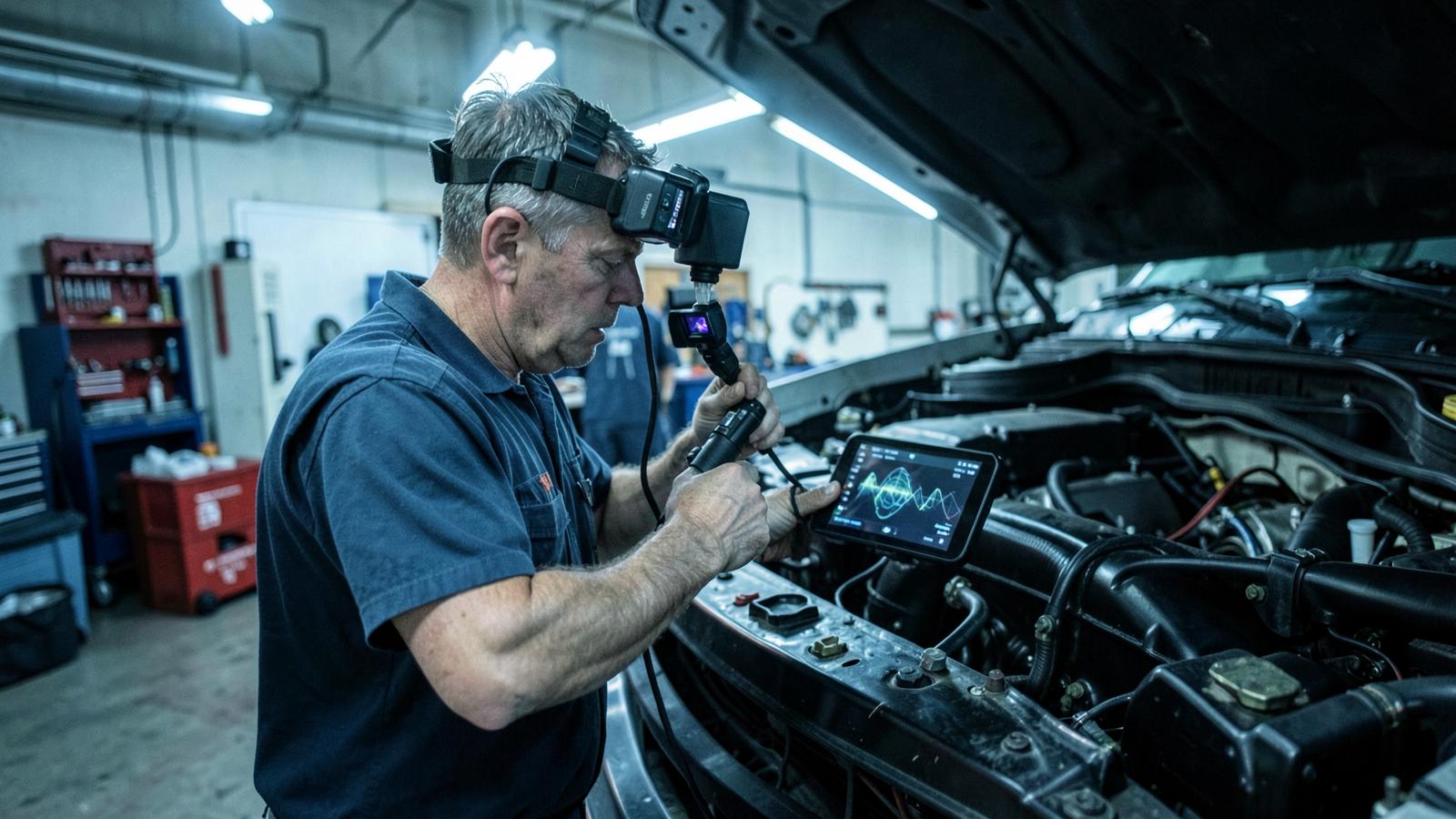
Mechanism
One change, several measurable consequences
More complete combustion
A greater share of the fuel charge is converted to work rather than exhausted as CO and unburnt hydrocarbons. This is why emissions results and fuel results move in the same direction.
Lower thermal rejection
With less energy leaving as heat, exhaust gas temperature and component surface temperatures drop — recorded from 133.5°C to 69.0°C on the Palisade programme.
Reduced combustion instability
Acoustic instrumentation on a Mitsubishi Fighter recorded around 70% fewer combustion pressure spikes, indicating a smoother, more repeatable burn.
Reduced thermal cycling downstream
Cooler operation propagates to tyres, brakes and driveline: 38–45% less thermal cycling and 20–35% longer service intervals.
Measurement chain
What gets recorded
Fuel
Consumption against the fleet's own baseline over the same duty cycles
Thermal
Exhaust gas and component temperatures under matched load
Emissions
CO, HC and related products to inspection-grade standards
Asset life
Tyre depth, brake wear and service intervals over distance
Boundaries
What EX10D is not
Not a fuel additive
Nothing is dosed into fuel and there are no consumables to reorder.
Not a tuning change
No ECU remap, no altered fuelling maps, no warranty-affecting modification.
Not a telematics product
No data integration, no new dashboard, no driver behaviour programme.
Share
Scan to take this page with you
Scan
How it works
https://global-fleet.ex10d.au/how-it-works
Scan
Technical methodology
The instrumentation and trial design behind every figure.
https://global-fleet.ex10d.au/validation/methodology
Request a fleet assessment
We scope a measured trial against your own duty cycles, fuel data and maintenance records.