Fleet types
Passenger & ride-share
Utilisation is the whole business model. Fuel spend per kilometre and vehicle availability decide margin, and both respond directly to combustion and thermal behaviour.
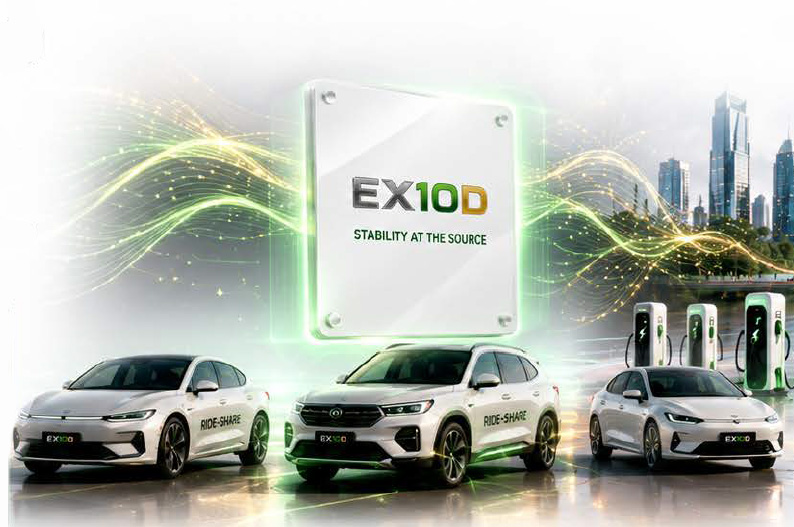
Duty cycle
What these fleets actually run
Continuous urban operation, long idle periods, frequent cold-to-hot transitions and very high annual distance per asset. These are the conditions under which incomplete combustion and thermal load accumulate fastest.
The Hyundai Palisade programme — a 10,000 km diesel evaluation in ordinary road service — is the closest analogue in the validation set, recording up to 59.2% fuel reduction and an exhaust gas temperature fall from 133.5°C to 69.0°C.
Recorded effects
Where the value lands
Fuel
Largest single controllable cost per kilometre in a passenger fleet
Heat
Lower exhaust and component temperature under sustained urban load
Uptime
Fewer thermally driven interventions means more revenue hours
Resale
Cooler-running assets present better wear condition at disposal
What changes for the operation
Nothing for drivers
No behaviour programme, no new device, no route change.
Nothing for schedulers
Vehicles are not withdrawn from service to be treated.
Nothing for IT
No integration with dispatch, telematics or fuel card systems.
Scan
Passenger & ride-share
https://global-fleet.ex10d.au/fleets/passenger-ride-share
Request a fleet assessment
We scope a measured trial against your own duty cycles, fuel data and maintenance records.