Fleet types
EV & hybrid fleets
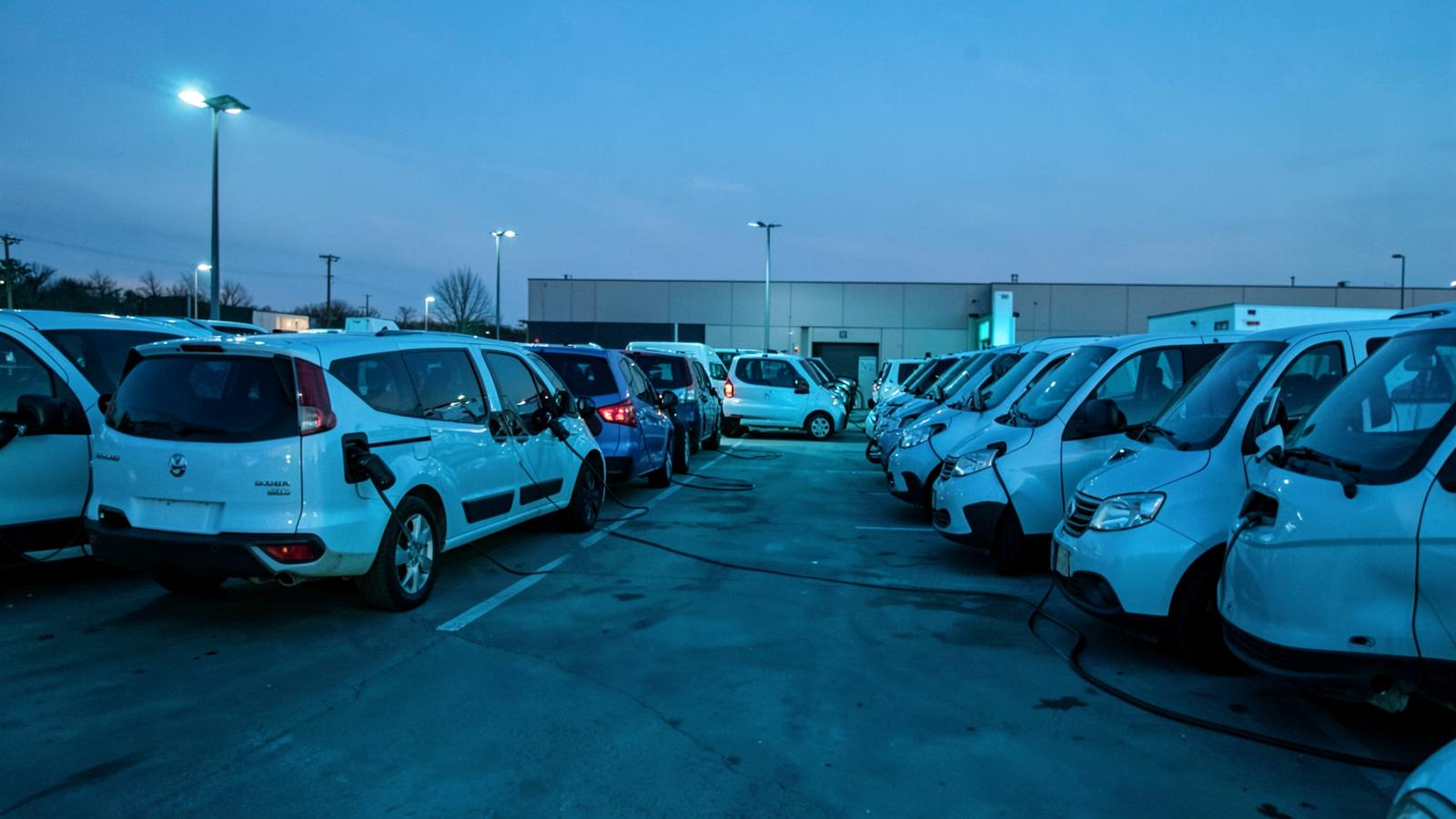
Electrification removes the fuel tank, not the thermal problem. Drivetrain heat, regenerative braking load and high-torque tyre wear remain the dominant drivers of cost and degradation.
Where the effect applies
Thermal behaviour, not fuel alone
Tyres
Instant torque and vehicle mass accelerate wear; cooler tyres last longer
Braking
Mixed friction and regenerative braking still cycles heat through components
Drivetrain
Thermal stability protects efficiency across a duty cycle
Hybrids
The combustion side of a hybrid responds as any other engine does
Transition fleets
Most fleets are mixed for a decade
Very few operators switch in a single step. Diesel, hybrid and battery-electric assets share depots, routes and maintenance teams for years. A performance layer that applies across all three avoids splitting the programme by powertrain.
For the combustion portion of the fleet the recorded fuel, thermal and emissions effects apply directly. For the electric portion the value is concentrated in thermal cycling and consumable life.
Programme fit
Powertrain agnostic
One programme across diesel, hybrid and battery-electric assets.
No charging impact
No interaction with charging infrastructure or scheduling.
ESG consistent
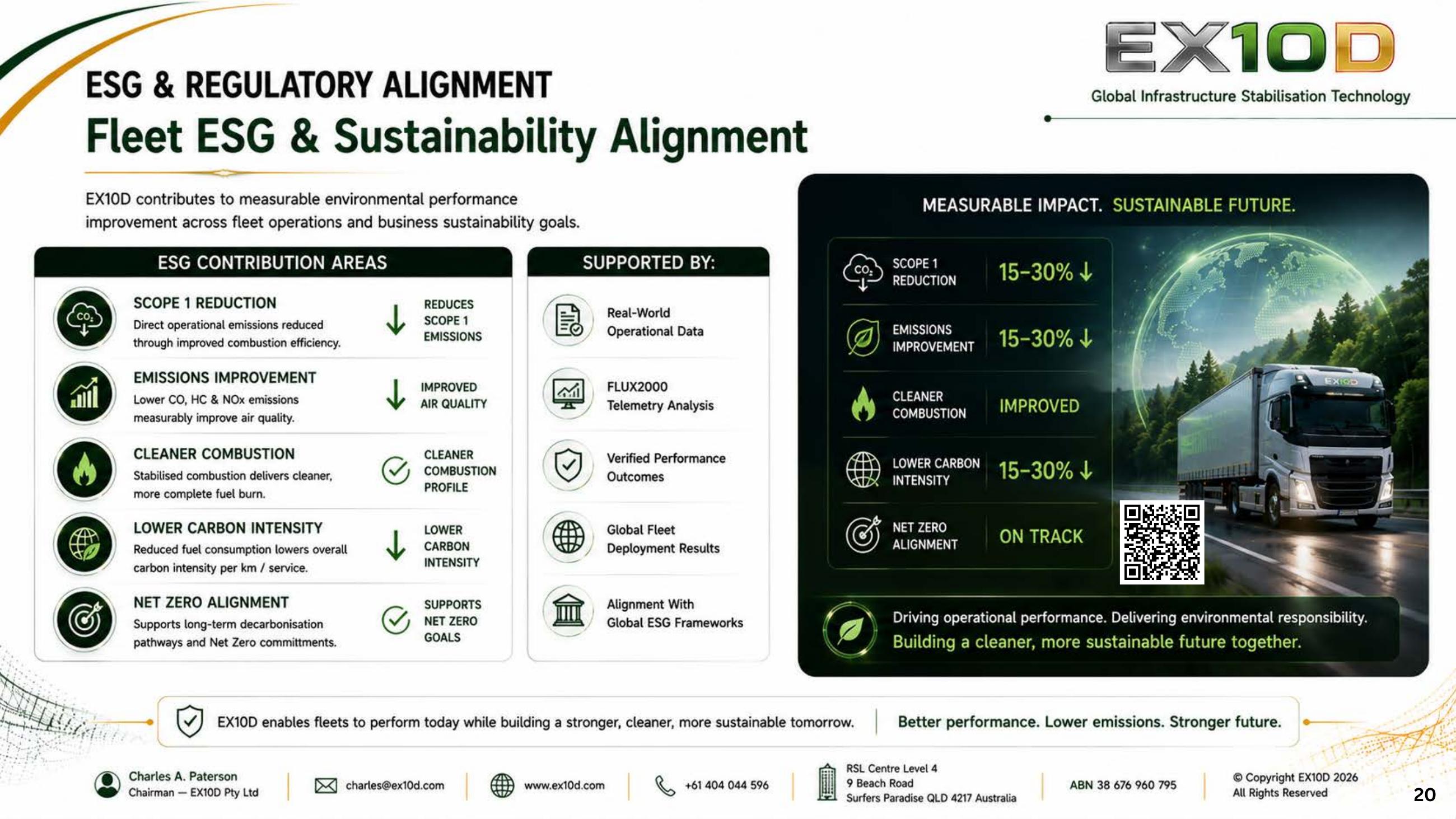
Supports the same reporting narrative as the electrification plan.
Scan
EV & hybrid fleets
https://global-fleet.ex10d.au/fleets/ev-hybrid
Request a fleet assessment
We scope a measured trial against your own duty cycles, fuel data and maintenance records.