Fleet types
Delivery & last mile
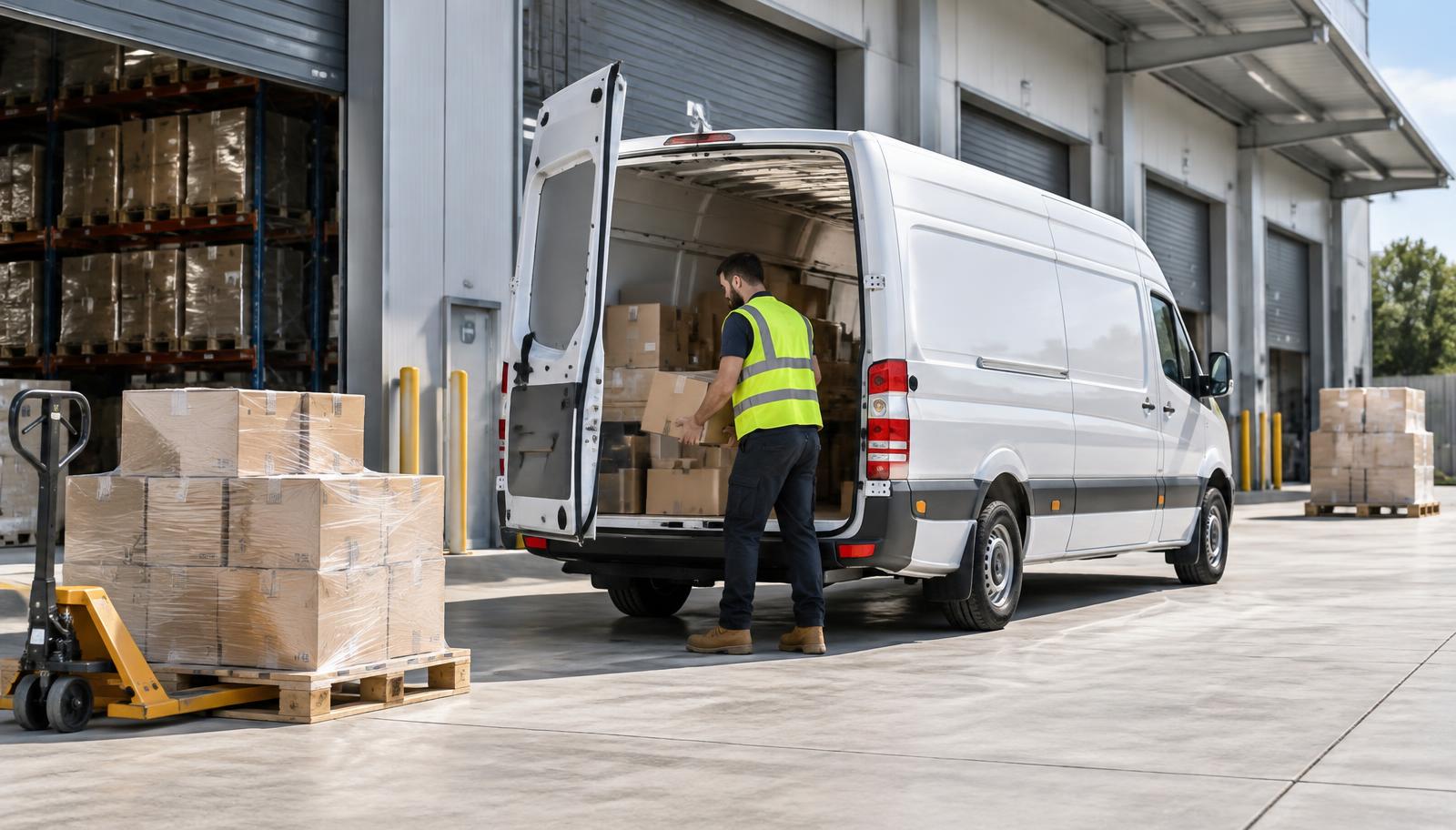
Hundreds of stops a day, constant idling and heavy low-speed thermal load. Last-mile fleets pay for this in fuel, brake and tyre consumption, and in vehicles off the road mid-round.
Pressure points
Where last-mile cost concentrates
Idle
Extended idling burns fuel with no distance credited against it
Brakes
Repeated low-speed deceleration drives heat into friction components
Tyres
Thermal cycling accelerates wear on constant stop-start rounds
Rounds
A vehicle lost mid-round costs far more than the repair itself
Measured basis
Evidence relevant to this duty cycle
The Isuzu D-Max programme recorded a 64% reduction in thermal load with post-treatment operating temperature at 37.8°C, and passed UK inspection-grade emissions testing at 0.005% CO and 6 ppm hydrocarbons.
Across long-duration records, reduced thermal cycling of 38–45% translated into 20–35% longer service intervals — the metric that most directly protects a delivery round.
Operational fit
Applied off-shift
Treatment fits within existing depot dwell time.
Mixed fleets
Vans, light commercials and utes in the same operation are handled together.
No consumables
Nothing to restock at the depot and nothing for drivers to manage.
Scan
Delivery & last mile
https://global-fleet.ex10d.au/fleets/delivery-last-mile
Request a fleet assessment
We scope a measured trial against your own duty cycles, fuel data and maintenance records.